2026: Are Corporate Wellness Programs Meeting Employee Mental Health Needs?
Introduction: Then and Now
I first wrote about this topic in August of 2022. I decided to look at how far the industry has come in the 3 + years since then. I was particularly interested as I now offer Better YOU corporate wellness challenges. I wanted to see how well these challenges can support not only employee physical health, but also their mental health needs. Let’s look at what I found. In 2022, corporate wellness programs were already responding to the growing mental health needs of the workforce. At that time, Employee Assistance Programs (EAPs) were central to mental health support, but the industry had already begun evolving toward a more holistic approach to employee well‑being. As mental health concerns grew due to the pandemic, social stressors, and work‑life balance challenges, companies recognized the need for a more comprehensive and ongoing strategy for employee wellness. (soundwellness.biz)
Fast forward to 2026, and mental health support has become a strategic imperative for organizations. The way companies address mental health now goes beyond just reactive measures; it’s about embedding mental health supportinto the fabric of corporate culture and aligning it with broader organizational goals. This shift reflects a deeper understanding that employee well-being directly influences engagement, productivity, and retention.
Why Mental Health in the Workplace Matters More Than Ever
Mental health is now recognized as central to employee performance and organizational success. Recent research shows that workers who report good mental health are more productive, creative, and engaged with their work. However, the challenges persist: burnout, anxiety, and depression are still widespread.
For employers, addressing mental health is more than just offering benefits; it’s about creating an environment where employees feel safe and supported in seeking help. The link between mental health and productivity is clear: employees who are mentally well are more likely to remain engaged, perform at higher levels, and remain with their employer long-term.
Corporate Mental Health Support in 2026: What’s Changed
1. From EAPs to Holistic Wellbeing Ecosystems
In 2022, Employee Assistance Programs (EAPs) were often the first line of defense for employees experiencing mental health issues. These programs were typically short‑term interventions offering support like counseling or referrals to therapists. While they remain a valuable resource, the scope of corporate wellness programs has expanded significantly.
Modern wellness programs now incorporate holistic ecosystems designed to address the full spectrum of employee needs, including:
Clinical therapy services
Stress management workshops
Resilience-building courses
On-demand digital health platforms
These offerings aim to provide employees with continuous access to mental health resources that support them throughout their wellness journey — not just in times of crisis. By broadening the scope of support, organizations create an environment where well-being is prioritized and employees feel empowered to seek help when needed. (springhealth.com)
2. Personalized and Inclusive Mental Health Benefits
In 2026, employees expect personalized wellness plans that meet their specific needs. Gone are the days of a one‑size‑fits‑all approach. Today, wellness programs are increasingly tailored to support diverse employee groups, such as those with caregiving responsibilities, different cultural backgrounds, and specific mental health challenges.
For example:
Financial wellbeing support to help reduce stress related to money management
Work‑life balance resources, such as flexible work schedules
Neurodiversity-friendly programs to support employees with autism or ADHD
The shift towards personalized support means employees can access mental health resources that are relevant and appropriate to their unique circumstances, ultimately fostering a more inclusive and empathetic workplace culture. (paychex.com)
3. Digital Tools and AI Augmentation
Digital tools are now integral parts of corporate wellness strategies. Tools like mental health apps, AI-driven coaching platforms, and chatbots provide employees with immediate access to support whenever they need it. These tools help employees with day‑to‑day mental health management, offering resources such as:
Stress management exercises
Sleep improvement techniques
Resilience-building strategies
AI can also help identify potential mental health issues early, allowing employers to offer support before issues escalate. These tools provide consistent engagement, making it easier for employees to stay on top of their mental health — all without waiting for scheduled appointments. (springhealth.com)
4. Leadership and Culture Change
The success of mental health initiatives depends not just on offering benefits but also on creating a culture of support and openness. In 2026, leadership buy‑in is critical to ensuring mental health becomes a key focus across the entire organization. When leaders model self-care and support mental health initiatives, employees are more likely to follow suit.
Key aspects of this culture shift include:
Training leaders to recognize signs of burnout
Creating open dialogues about mental health without stigma
Promoting psychological safety so employees feel safe discussing their mental health needs without fear of judgment or career repercussions.
Leading organizations are now treating mental health as part of the organizational DNA, with leadership championing wellbeing and encouraging employees to take advantage of available resources. (wellhub.com)
5. Burnout, Leave Patterns, and Ongoing Care
Despite the rise in wellness programs, burnout and mental health leaves remain significant challenges. In response, many companies have shifted from reactive to preventive care, ensuring that employees have the tools and resources to manage their mental health before it leads to burnout or extended leaves.
This shift is reflected in new practices such as:
Flexible work hours and mental health days
Return‑to‑work frameworks that ensure employees can ease back into their roles
Ongoing care beyond the initial treatment phase, including regular check-ins with mental health professionals
By emphasizing ongoing care, employers ensure their employees are not just supported during crises, but throughout their entire wellness journey. (springhealth.com)
Persistent Challenges and Better YOU Strategic Responses
• Engagement and Utilization
Even with robust offerings, engagement remains a challenge. Employees may be hesitant to use resources due to stigma, lack of awareness, or perceived lack of confidentiality. Overcoming these barriers requires clear communication, leadership support, and integrating mental health into the daily workflow.
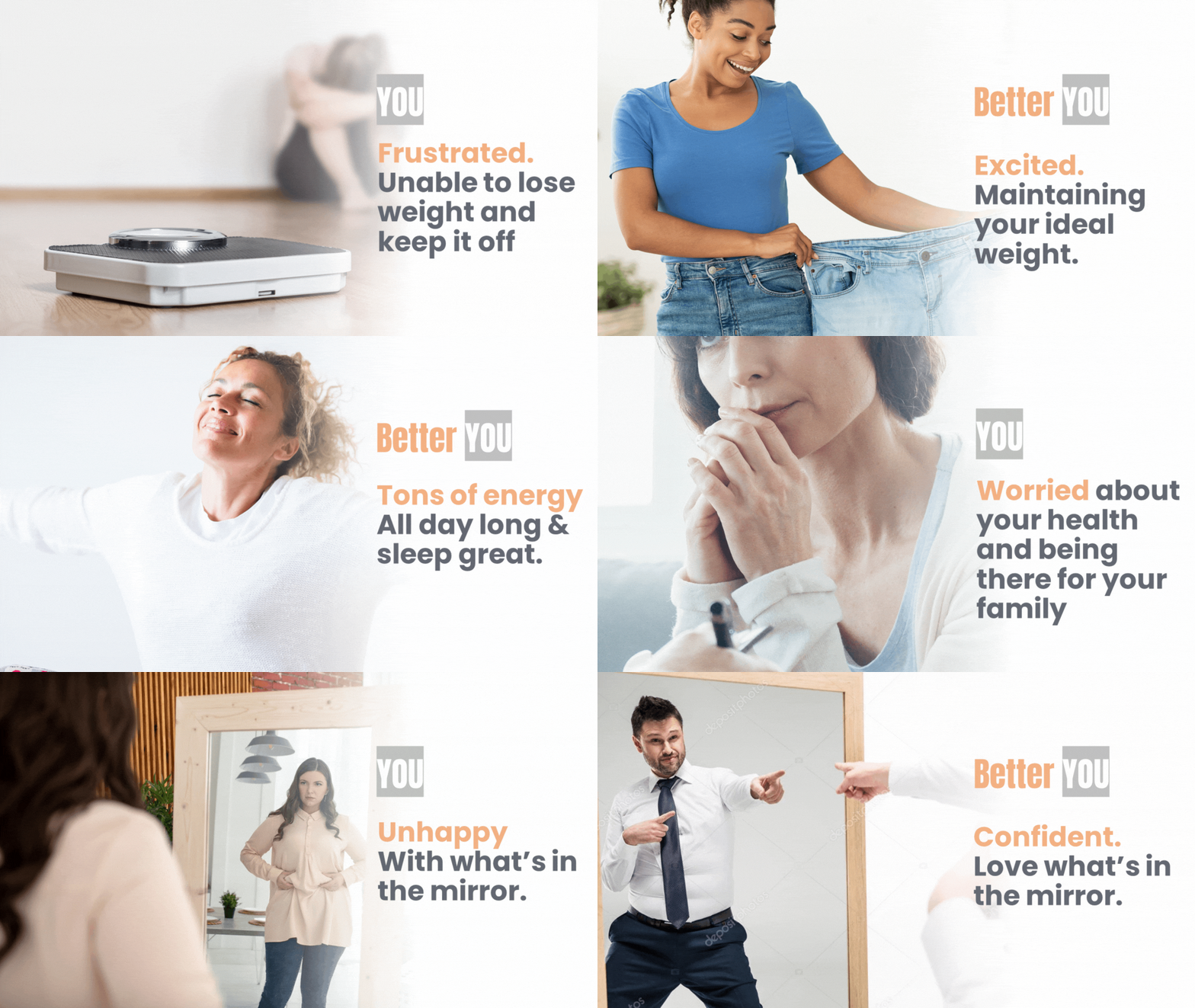
Better YOU response: Our Better You Wellness programs are different from others you may have tried because we look at employees holistically by addressing exercise, nutrition and mindfulness, which most other programs don’t include. We get 4x the engagement of other programs because we offer:
accessibility to all employees by being 100% virtual,
customized programs to meet employees where they are, and
individualized coaching.
The challenges are only 6-weeks long. So they’re long enough to see results while making them manageble to achieve work-life balance. We make it fun and educational for your employees, creating the space for greater team spirit. For the company, reports can be produced to objectively show you the results of your investment.
• Measurement and ROI
As corporate wellness investments grow, the need for measuring return on investment (ROI) becomes increasingly important. Employers need concrete data on the effectiveness of wellness programs to justify their value.
Better YOU response: We can provide multiple reports so you can track employee participation and success at meeting their goals.
Conclusion
In 2026, workplace mental health support is a strategic priority that is integrated into organizational culture. The days of siloed wellness programs are over. Instead, companies are creating holistic ecosystems that provide employees with ongoing support and resources tailored to their individual needs.
This shift reflects a growing recognition that employee well-being is central to business success. As organizations continue to navigate the evolving landscape of mental health and well-being, the goal remains the same: to build workplaces where employees can thrive, be their authentic selves, and perform at their highest potential.
The Better YOU model is an inclusive and holistic approach isn't like other programs. It is designed and proven to get 4x greater employee engagement. Increased engagement leads to real and lasting wellness changes. The key to this success is a holistic, 100% virtual approach that incorporates exercise, nutrition and mindfulness. Lastly, we can provide the data to backup your investment in your employees’ well-being.